
Therapy can help if you or your child experience:
- Intrusive, distressing thoughts that feel impossible to dismiss or ignore.
- Repetitive rituals — checking, cleaning, counting, or arranging — that provide only brief relief.
- Avoiding places, people, or situations to prevent anxiety from being triggered.
- A need for things to feel “just right” before you can move on.
- Persistent doubts about relationships, morality, health, or whether you’ve caused harm.
- Hours lost each day to mental rituals, reassurance-seeking, or compulsive behaviors.
- Your child refusing school, struggling with routines, or asking “are you sure?” over and over.
What Is OCD Therapy?
OCD therapy helps individuals of all ages break the cycle of obsessions and compulsions — reducing distress, reclaiming lost time, and building long-term tools for managing intrusive thoughts without ritualizing.
Children
Learn to “boss back” OCD with age-appropriate exposures and parent-supported strategies.
Teens & Young Adults
Build resilience against OCD’s grip on identity, relationships, school, and daily life.
Adults
Develop lasting tools to manage obsessions and compulsions across work, family, and relationships.
Therapy Can Help With
- Breaking the obsession-compulsion cycle using evidence-based ERP techniques
- Learning to tolerate uncertainty without seeking reassurance or performing rituals
- Reducing avoidance behaviors that keep OCD in control
- Strengthening emotional regulation and distress tolerance
- Supporting parents and families in responding to OCD without reinforcing it
- Building confidence and reclaiming activities, relationships, and goals OCD has limited
Our Approach to OCD Therapy
Our therapists specialize in Exposure and Response Prevention (ERP), widely considered the gold-standard treatment for OCD. ERP works by gradually exposing clients to the thoughts, situations, or objects that trigger obsessions — while learning to resist compulsions. Over time, the brain learns that anxiety passes on its own, without a ritual. Through ERP, you or your child can break the cycle and build lasting freedom from OCD.
OCD is not a life sentence — it is one of the most treatable mental health conditions when approached with the right therapy. With the right tools, you or your child can reduce obsessions, resist compulsions, and get back to living fully.
Call (650) 461-9026
Text (650) 461-9026
Book an appointment online
Other therapeutic approaches may also be incorporated based on individual needs, including:
Cognitive Behavioral Therapy (CBT)
CBT helps clients identify and challenge the thought patterns driving OCD — beliefs like “I must be certain before I act” or “having a bad thought means I’m a bad person.”
Combined with ERP, CBT gives clients both practical tools and cognitive flexibility to respond to obsessions differently.
Acceptance and Commitment Therapy (ACT)
Rather than fighting intrusive thoughts, ACT teaches clients to hold them lightly and act according to their values regardless. ACT is especially helpful for clients who experience significant shame, feel stuck after initial ERP work, or struggle with rigid all-or-nothing thinking.
Family Therapy
OCD doesn’t just affect one person — it affects the whole family. Loved ones often inadvertently reinforce OCD by accommodating rituals or providing reassurance. We offer family therapy to help parents and partners understand OCD, reduce accommodation, and create a home environment that supports recovery rather than the cycle.
With convenient office locations in Palo Alto, Menlo Park, and San Jose, we proudly serve the entire Silicon Valley community – from Stanford University and the Peninsula to the South Bay, offering easy access for tech professionals, students, and families.
Frequently Asked Questions About OCD Therapy
The hallmark of OCD is the compulsion cycle — anxiety triggered by an obsession, a ritual or avoidance behavior that provides brief relief, and then the anxiety returning. If you or your child spend significant time on repetitive behaviors, seek reassurance that never fully settles the worry, or avoid situations to prevent distress, those are signs worth exploring with a specialist. Our therapists can assess symptoms and explain clearly what they’re seeing.
OCD attaches to whatever matters most to a person — and that varies widely. OCD generally presents in recognizable subtypes, including:
- Contamination OCD — fear of germs, illness, or spreading harm
- Checking OCD — compulsive verification of locks, appliances, emails, or past actions
- Harm OCD — intrusive thoughts about hurting oneself or others, despite no desire to act
- Just Right OCD — a need for symmetry, order, or actions to feel “complete”
- Relationship OCD (ROCD) — persistent doubts about the rightness of a relationship or partner
- Scrupulosity OCD — obsessive fears about morality, sin, or ethical failure
OCD tends to shift and escalate over time. Strategies that once kept symptoms manageable — avoiding triggers, seeking reassurance, performing rituals quickly — often become less effective as OCD demands more. Life transitions, stress, and new responsibilities can also bring new OCD themes. Therapy helps identify what’s changed and build more effective, lasting responses.
Many people don’t receive an accurate OCD diagnosis until adulthood — sometimes after years of being told they have generalized anxiety or depression. Therapy can help you understand why OCD works the way it does, process the experience of a late diagnosis, and build practical strategies for managing symptoms at work, in relationships, and in daily life.
Yes. Medication (typically SSRIs) can reduce the intensity of OCD symptoms, but therapy provides skills that medication alone cannot. ERP and CBT help with:
Learning to face fears and resist compulsions, not just feel less anxious
Building tolerance for uncertainty and distress
Addressing avoidance behaviors that maintain OCD over time
Creating sustainable long-term tools that remain effective if medication is adjusted
Many people find the best outcomes come from combining medication with specialized OCD therapy.
OCD can strain relationships in significant ways, often without either person fully understanding why. Common challenges include:
- Seeking constant reassurance from a partner, friend, or parent — which provides brief relief but deepens the cycle
- Asking loved ones to participate in rituals or accommodate avoidance behaviors
- Withdrawing from intimacy or shared activities due to OCD-related fears
Relationship OCD specifically — persistent doubts about a partner’s suitability that feel impossible to resolve
At the same time, many people with OCD bring deep empathy, conscientiousness, and commitment to their relationships. Therapy — including couples or family sessions when appropriate — can help untangle OCD from the relationship and build healthier patterns together.
It’s normal to feel ambivalent about a treatment that involves facing fears rather than avoiding them. Our therapists are skilled at pacing ERP carefully so it feels manageable, not overwhelming. If engagement is a concern, we adapt sessions to be:
- Gradual — always starting with exposures that feel challenging but doable, not terrifying
- Transparent — explaining exactly what we’re doing and why at every step
- Collaborative — building the exposure hierarchy together so nothing feels imposed
- Child-friendly — using games, metaphors, and structured rewards to engage younger clients
Yes. OCD frequently co-occurs with anxiety disorders and depression. Our therapists are experienced at treating OCD alongside other diagnoses and will design a treatment plan that addresses the full picture. In many cases, as OCD symptoms improve, anxiety and depression also lift — because so much distress was being generated by the compulsion cycle itself.
OCD and generalized anxiety can look similar — both involve distressing thoughts and avoidance. However, they work differently:
Anxiety is rooted in worry about realistic threats and future uncertainty. It responds to cognitive reappraisal, reassurance, and relaxation over time.
OCD is driven by a compulsion cycle. Reassurance and avoidance provide only temporary relief before the obsession returns — often stronger. OCD requires ERP specifically, because standard anxiety strategies can reinforce the cycle rather than interrupt it.
Both conditions can occur together, and therapy can address each with targeted approaches.
Yes. We offer both in-person and video therapy sessions across our Palo Alto, Menlo Park, and San Jose offices, as well as telehealth throughout California. Research shows that ERP delivered via telehealth produces outcomes comparable to in-person treatment for most OCD presentations.
Recognizing Good Therapy

Evidence-Based
Specializing in Cognitive Behavioral Therapy, we provide effective & caring counseling. Our therapists are passionate in delivering high-quality therapy & enhance their skills through the latest trainings.

Strong Relationships
Our relationship with you is valued & of highest importance. We are compassionate, respectful, & honest. Our professional counseling includes working side by side with you towards YOUR goals.

Short-Term & Focused
Our active therapists use tailored homework exercises to help you find relief in a timely manner. By keeping our meetings on track & targeting specific concerns we help you enjoy life again, usually in a matter of months not years.

Client Convenience
Appointments after 5pm & Saturdays, friendly administrative staff, & three locations: Palo Alto, Menlo Park, & San Jose. We help children, teens & adults, couples, & families. Video therapy available!

What Our Clients Are Saying…
Palo Alto Therapy does not just provide talk therapy, but focuses on teaching skills to maintain therapy. You have a genuine interest in the client’s well-being and you offered a new way of thinking about or means of addressing my issues.
What Our Clients Are Saying…
I liked the emphasis on doing concrete things to get results-writing down negative thoughts, trying to say things to counter those thoughts…Thank you for helping me make my life better.
What Our Clients Are Saying…
I found the homework exercises to be very helpful to me. I’ve been able to use techniques I have learned from those exercises to slow down my thoughts when problems arise and work through whatever the issue may be, OCD or otherwise.
Meet Our Team of Therapists in Palo Alto, Menlo Park, & San Jose working with OCD

Hong-Ha Vuong, AMFT, APCC

Hannah Bodin, AMFT
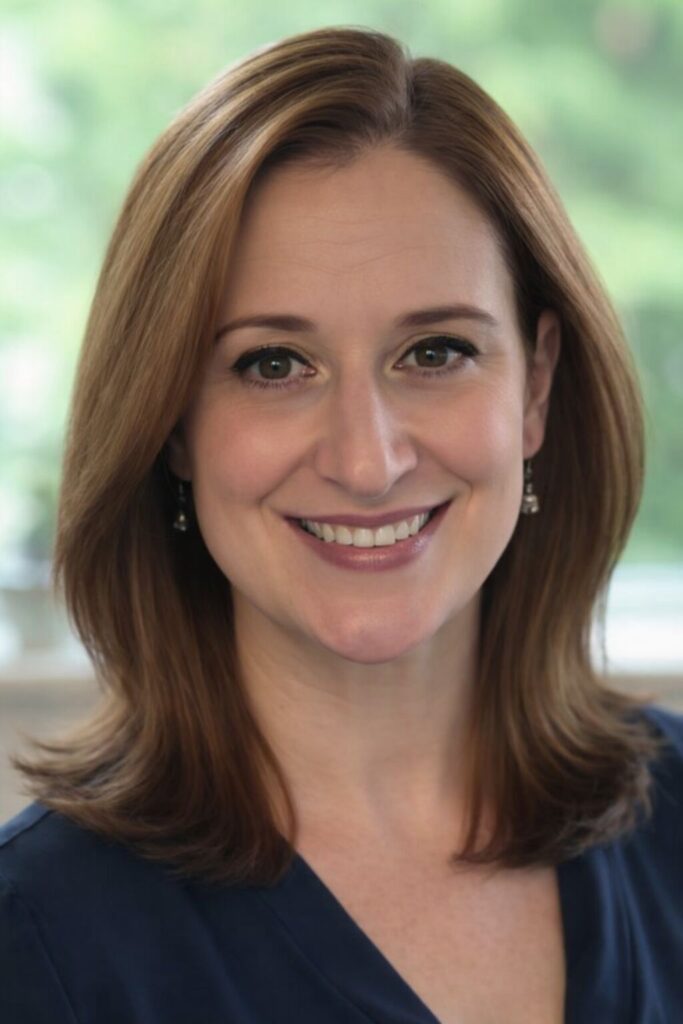
Sarah Partridge, ASW
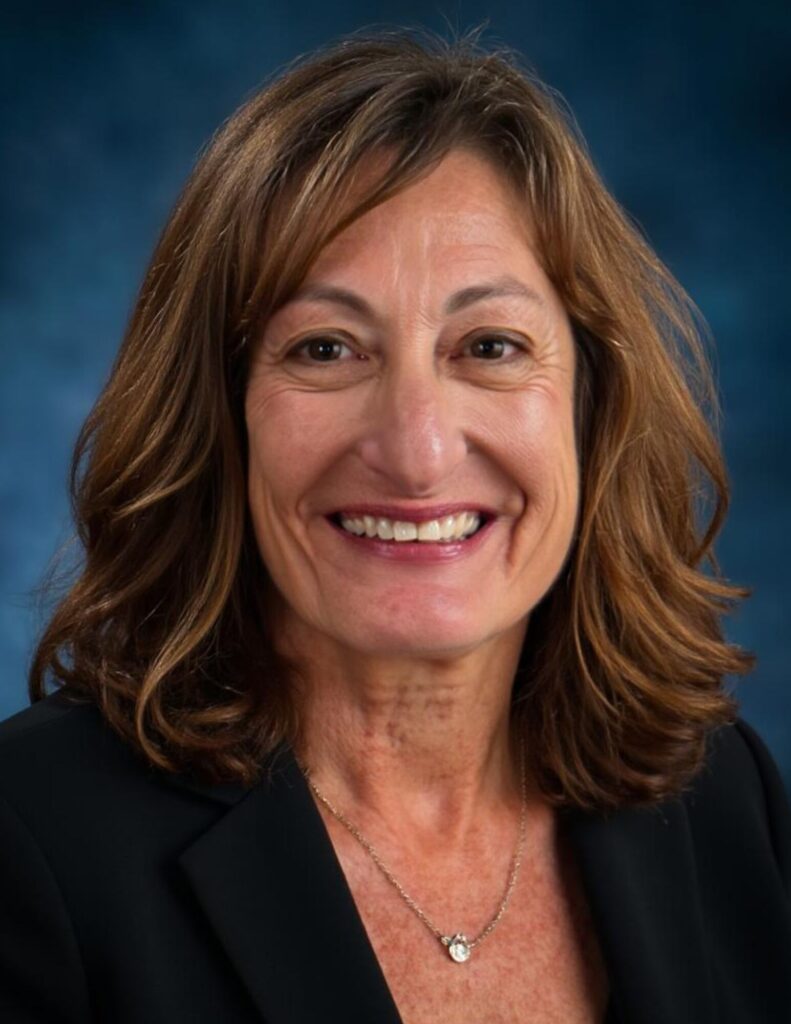

Sarah Chelew, AMFT
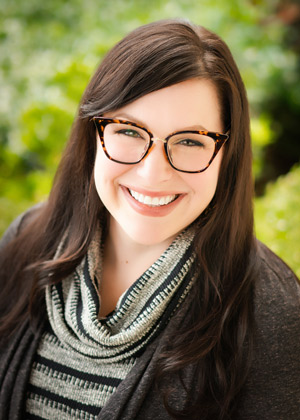


Sarah Covert, AMFT




Get Support for OCD Today
OCD is not a barrier to living a full life — it’s a different way of experiencing the world. With the right tools, you can break the cycle of obsessions and compulsions, reclaim your time, and build the life you want for yourself or your child.